
Patch Testing for Lash and Brow Services: What Every Salon Needs to Know
Patch Testing for Lash and Brow Services: What Every Salon Needs to Know
Patch Testing for Lash and Brow Services: What Every Salon Needs to Know
You’ve had a new client book in. They’ve never had a lash lift or brow lamination before, and they mention having sensitive skin or a history of allergies. So what’s the safest way to move forward while protecting both your client and your business?
Patch testing should always be part of your process. It’s one of the most reliable ways to assess how a client may respond to a treatment before you begin. At Elleebana, we recommend completing a patch test at least 48 hours prior to any new client appointment.
How to Perform a Patch Test
A patch test is simple to implement and can easily be incorporated into your client journey.
Apply a small amount of the lift lotion and lash lifting adhesive to the client’s inner elbow or behind the ear. Leave the product on the skin for approximately 10 minutes, then gently remove and cleanse the area.
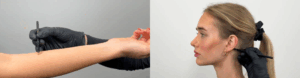
If the client experiences no discomfort or irritation, you can proceed with booking their treatment. However, if any irritation, redness, or sensitivity develops within the following 48 hours, the appointment should be cancelled, and the client should be advised to consult a medical professional or skin specialist to identify any sensitivities.
Managing Risk and Client Responsibility
It’s important to remember that even if a client shows no reaction during a patch test, there is still a possibility of an adverse response during treatment. This applies to all services, including lash lifting, tinting, extensions, and other facial treatments.
For this reason, every client should complete and sign an indemnity and consent form prior to their appointment. This document should clearly outline:
- Potential risks associated with the treatment
- Confirmation that the client has disclosed all relevant medical history and contraindications
If a client chooses to proceed without a patch test, it is especially important that they complete and sign an indemnity form acknowledging that they have declined patch testing and understand the potential risks involved.
This is standard salon practice and an essential step in protecting both your client and your business.
After conducting a patch test, ensure you document the results, including the date, on the client’s record card for future reference.
Best Practice for Adhesive Application
When patch testing lash lifting adhesive, avoid using the brush applicator directly from the bottle on the client’s skin, particularly if the adhesive contains a built-in brush.
Instead, dispense a small amount and use a single-use micro brush to apply the product. This helps maintain proper hygiene standards and eliminates any risk of cross-contamination within your adhesive.
Taking the time to patch test not only demonstrates professionalism, but also builds trust with your clients—ensuring they feel safe, cared for, and confident in your services.
read more